When people think about air freight moving, they often assume that the primary factor determining shipment success is the availability of aircraft space. While aircraft capacity is undoubtedly important, it represents only one piece of a much larger logistics puzzle. In reality, successful air freight operations depend on a complex network of processes, partnerships, infrastructure, and coordination efforts that begin long before cargo is loaded onto an airplane and continue long after it lands at its destination.
Air freight is widely recognized for its speed, making it a preferred option for time-sensitive shipments, high-value goods, and urgent relocations. However, simply securing space on an aircraft does not guarantee that cargo will arrive on schedule. Every shipment must move through multiple stages, each requiring careful planning and execution. Delays at any point in the process can impact delivery timelines regardless of how quickly the aircraft itself completes the flight.
For businesses and individuals relying on air freight moving services, understanding these behind-the-scenes factors provides a clearer picture of why logistics professionals place so much emphasis on coordination and operational management rather than focusing solely on available cargo space.
The Critical Role of Ground Operations
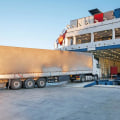
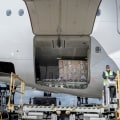
One of the most overlooked aspects of air freight moving is the importance of ground logistics. Before cargo reaches an airport, it must be collected, inspected, documented, and transported to the appropriate terminal. Once it arrives, it often undergoes security screening, customs processing, cargo handling procedures, and warehouse staging before being loaded onto an aircraft.
These ground operations can significantly influence shipment timelines. Even when aircraft capacity is readily available, delays in documentation, transportation, or terminal processing can prevent cargo from making its scheduled departure. After landing, the process continues with unloading, customs clearance, sorting, and final delivery coordination.
This reality highlights the fact that air freight is not simply an aviation service—it is a highly integrated logistics operation. Every component must function efficiently for the shipment to move successfully from origin to destination.
Coordination Across Multiple Stakeholders
Air freight moving often requires collaboration among numerous parties, including freight forwarders, airlines, airport authorities, customs agencies, warehouse operators, trucking companies, and end customers. Each participant plays a specific role in the transportation process, and maintaining effective communication between these stakeholders is essential.
Unexpected disruptions such as weather events, labor shortages, airport congestion, or regulatory changes can affect even the most carefully planned shipments. Successful logistics providers mitigate these risks through contingency planning, real-time monitoring, and proactive communication. Their ability to respond quickly to changing conditions often has a greater impact on shipment performance than aircraft availability alone.
The same emphasis on coordination can be observed across other transportation sectors. Companies such as Blue Sky Black Limo Service understand that transportation success depends on managing every stage of the customer journey rather than focusing solely on the vehicle itself. Whether moving passengers or freight, consistent results are achieved through preparation, communication, and attention to detail.
Why Comprehensive Logistics Matter
As global supply chains become increasingly interconnected, air freight moving continues to evolve beyond the simple movement of cargo by air. Customers expect visibility, reliability, and predictable delivery timelines, all of which require sophisticated logistical support. Modern air freight providers invest heavily in technology, tracking systems, operational planning, and transportation partnerships to meet these expectations.
Aircraft capacity remains an important resource, but it is only one factor among many. Cargo handling capabilities, customs efficiency, transportation networks, staffing levels, and communication systems all contribute to successful outcomes. Organizations that recognize this broader perspective are often better positioned to manage challenges and deliver consistent service.
Ultimately, air freight moving depends on a coordinated system where every stage of the journey matters. The aircraft may be the most visible component, but the true success of air freight lies in the countless operational details that ensure cargo reaches its destination safely, efficiently, and on time.