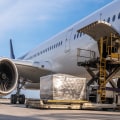
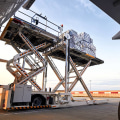
Air freight moving is often chosen when speed is a top priority. Whether relocating employees internationally, transporting high-value items, shipping urgent household belongings, or supporting time-sensitive corporate moves, air freight offers a significantly faster alternative to ocean or ground transportation. However, while many people associate air freight with simply loading cargo onto an aircraft and delivering it to a destination, the reality is far more complex. Air freight moves frequently involve multiple transportation stages, detailed coordination, and careful planning across various service providers. Behind every successful shipment is a network of logistical steps that ensure cargo moves efficiently from its origin to its final destination.
The Journey Begins Before the Airport
One of the most overlooked aspects of air freight moving is that the shipment's journey begins well before it reaches an airport. Household goods, corporate equipment, personal belongings, or specialized cargo must first be collected from homes, offices, warehouses, or storage facilities. These items often require inventory management, packing, labeling, and preparation for international or domestic transport regulations. Ground transportation plays a crucial role during this stage, moving cargo safely from the pickup location to the appropriate freight terminal. This initial phase must be carefully timed because delays at the beginning of the process can affect flight schedules and downstream transportation arrangements.
Coordinating Multiple Transportation Providers
Unlike traditional moving methods that may rely primarily on a single transportation mode, air freight shipments typically require coordination between several service providers. Freight handlers, trucking companies, airport cargo facilities, customs brokers, airline operators, and destination delivery teams must work together to keep the shipment moving smoothly. Each participant is responsible for a specific segment of the journey, making communication and scheduling essential. Transportation services such as Your Car Our Driver may also play a role when relocating individuals need dependable transportation between airports, temporary accommodations, offices, or residences while their belongings are being transported separately. The movement of people and cargo often occurs simultaneously, adding another layer of logistical complexity to the relocation process.
Managing Customs and Regulatory Requirements
For international air freight moves, customs clearance represents one of the most important stages of transportation planning. Different countries have unique import regulations, documentation requirements, inspection procedures, and restrictions on certain goods. Failure to prepare the correct paperwork can result in delays, additional costs, or temporary cargo holds. To avoid these issues, logistics professionals must carefully coordinate documentation and compliance procedures before shipments depart. This planning often begins weeks before the actual move and requires close collaboration between relocation specialists, customs brokers, and transportation providers.
Handling Destination Logistics
The shipment's arrival at the destination airport marks another transition point rather than the end of the journey. Once cargo lands, it must often pass through customs inspections, be transferred to local handling facilities, and then be loaded onto trucks for final delivery. Depending on the destination, shipments may travel through several additional transportation stages before reaching the customer. Deliveries to remote locations, business districts, or residential communities often require specialized scheduling and route planning. Coordinating these final-mile services is essential for ensuring a smooth relocation experience and preventing unnecessary delays.
Timing and Synchronization Are Critical
One reason air freight moving requires such extensive planning is the need for precise timing. Every stage of the process is interconnected, and delays in one area can affect the entire transportation chain. Pickup schedules, airport processing times, flight departures, customs clearance procedures, and destination deliveries must all be carefully synchronized. This coordination becomes even more important when businesses are relocating employees or when families are moving internationally and need their belongings to arrive according to a specific timeline.
A Transportation Strategy Beyond the Flight
Although aircraft provide the fastest segment of the journey, air freight moving is ultimately a multi-stage transportation process that extends far beyond the flight itself. From initial pickup and documentation to customs processing and final delivery, each step requires careful coordination and planning. Understanding the complexity behind these operations helps explain why successful air freight moves depend on a well-organized transportation strategy that integrates multiple services, schedules, and logistics partners into one seamless relocation experience.