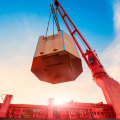
Air freight has become a cornerstone of global trade, offering unmatched speed and reliability for transporting goods across long distances. As industries continue to expand and consumer expectations for fast delivery grow, the role of air freight is evolving rapidly. Modern advancements in aircraft design, cargo handling systems, and digital logistics platforms are enabling faster turnaround times and more efficient operations. Businesses now rely on air freight not only for urgent shipments but also as a strategic component of their supply chains. This shift reflects a broader trend toward integrated transport systems that combine multiple modes of transportation to create seamless and efficient logistics networks.
Integrating Transport Systems for Greater Efficiency
The future of air freight lies in its integration with other transportation methods, such as rail, trucking, and maritime shipping. By connecting these systems, logistics providers can optimize routes, reduce transit times, and improve overall efficiency. For example, goods transported by air can be seamlessly transferred to trucks or trains for last-mile delivery, ensuring a smooth and coordinated process. This level of integration requires advanced planning and real-time communication between different stakeholders, but the benefits are significant. Businesses can achieve greater flexibility, respond more quickly to changing demands, and maintain a competitive edge in the global market.
Enhancing Mobility with Premium Travel Solutions
In addition to the movement of goods, the integration of transport systems also involves the efficient movement of people. Executives, logistics managers, and clients often need to travel between airports, distribution centers, and business hubs to oversee operations and make critical decisions. Premium travel solutions play a key role in supporting this mobility, ensuring that key personnel can move quickly and comfortably. Services like LimoFi provide reliable transportation that complements air freight operations, bridging the gap between different modes of transport and enhancing overall coordination. This combination of efficient cargo movement and seamless personal travel creates a more cohesive and productive logistics ecosystem.
Sustainability and Technological Innovation
As the demand for air freight continues to grow, sustainability has become a central focus for the industry. Innovations such as fuel-efficient aircraft, alternative energy sources, and optimized flight routes are helping to reduce the environmental impact of air transport. At the same time, digital technologies like artificial intelligence, blockchain, and the Internet of Things are transforming how logistics operations are managed. These tools enable real-time tracking, predictive analytics, and improved transparency, allowing businesses to make more informed decisions and operate more efficiently. The integration of these technologies is shaping a future where air freight is not only faster but also more sustainable and reliable.
Building the Future of Integrated Logistics
Looking ahead, the future of air freight moving will be defined by its ability to integrate seamlessly with other transport systems and adapt to evolving market demands. Businesses that embrace this integrated approach will benefit from improved efficiency, reduced costs, and enhanced customer satisfaction. By combining advanced logistics solutions with reliable transportation services, companies can create a comprehensive system that supports both the movement of goods and the mobility of people. This holistic approach ensures that air freight remains a vital and dynamic component of the global logistics landscape.