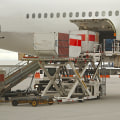
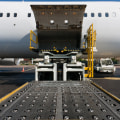
Air freight is often chosen because it’s fast, reliable, and ideal for urgent or high-value cargo, but many shippers still underestimate how many steps happen between pickup and final delivery. Unlike standard parcel shipping, air freight involves multiple handoffs, documentation checks, security screening, and scheduled flight departures that can all affect timing. Understanding the full air freight moving timeline helps businesses plan better, avoid costly delays, and set realistic expectations with customers. While flights may only take a few hours, the total journey—from pickup to airport processing to final delivery—can span one to several days depending on distance, customs requirements, and service level.
Step 1: Pickup and Origin Handling
The air freight timeline begins with pickup from the shipper’s location, which can be arranged through a freight forwarder, carrier partner, or local trucking provider. This first stage includes confirming shipment details, verifying packaging, and collecting paperwork such as the air waybill, commercial invoice, and packing list. For businesses shipping regularly, scheduling pickup early in the day is a smart move because it allows more time for airport cutoffs and processing. If cargo is not properly packaged or labeled, it may be rejected or delayed before it even reaches the airport. Origin handling may also include palletizing, shrink-wrapping, and weighing to ensure the shipment matches the declared dimensions and weight.
Step 2: Transport to the Airport and Cargo Acceptance
Once picked up, the shipment is transported to the departure airport cargo facility. Here, it goes through cargo acceptance, where staff check documentation, inspect packaging, and confirm booking details. This is also when freight is measured and weighed again to verify charges and loading requirements. If there are discrepancies—such as incorrect weights, missing paperwork, or improper hazardous material labeling—cargo can be placed on hold. To keep timelines predictable, shippers should confirm airport cutoff times in advance and ensure the shipment arrives well before the flight’s cargo acceptance deadline.
Step 3: Security Screening and Pre-Flight Processing
After acceptance, air cargo must pass security screening, which may involve X-ray screening, physical inspection, or other regulated checks depending on the shipment type and destination. This step is required even for domestic air freight and can add time during busy periods. Freight is then staged for loading, grouped by destination, and prepared for aircraft build-up. During this phase, delays can occur if cargo misses the planned flight, if capacity is limited, or if weather affects airport operations. Planning with a buffer is essential, especially for shipments that must arrive by a specific date or event.
Step 4: Flight Departure and Air Transit
The flight stage is the fastest part of the process, but it’s also the least flexible. Air freight moves according to scheduled departures, and missing a flight can mean waiting for the next available option, which might be hours or even a full day later depending on the route. Transit time varies by distance and whether the shipment is direct or requires connecting flights. Some shipments may pass through hub airports where cargo is transferred between planes, adding handling steps and increasing the importance of accurate labeling and documentation.
Step 5: Arrival, Breakdown, and Customs (If Applicable)
Once the plane lands, cargo is unloaded and transferred to the destination cargo terminal. Freight is broken down, scanned, and sorted for pickup or delivery. For international shipments, customs clearance can be the longest part of the timeline, especially if paperwork is incomplete or duties and taxes are not arranged properly. Customs inspections, holds, and random checks can add delays even for well-prepared shipments. Working with an experienced freight forwarder and ensuring documents are correct helps speed up clearance.
Step 6: Final Delivery to the Receiver
The final stage is last-mile delivery, where cargo is transported from the airport terminal to the receiver’s location. This can be handled by a local delivery truck or courier service depending on shipment size. Businesses should confirm delivery appointment requirements, dock access, and receiving hours to avoid failed delivery attempts. Many operations also coordinate cleanup and staging during busy shipping periods, and services like dumpster rental service in Norristown, Pennsylvania can support warehouse efficiency by keeping loading areas clear and organized.
Conclusion: Fast Shipping Still Needs Smart Planning
Air freight is fast, but it’s not instant. From pickup scheduling and airport cutoffs to security screening, flight availability, and final delivery coordination, every step affects the overall timeline. Businesses that understand the full process can reduce delays, plan inventory more accurately, and deliver better service to customers who rely on speed and reliability.