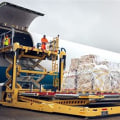
Packing for air freight moving demands a different mindset than ground transport because weight, size, and security rules are far stricter. Airlines and cargo carriers enforce precise limits on dimensions and materials, so the first step is understanding your carrier’s specifications before a single box is taped shut. Items that travel by air are handled multiple times—loaded, transferred, inspected, and unloaded—so packaging must be designed to withstand vibration, pressure changes, and frequent repositioning. Creating a detailed inventory is essential, not only for customs or tracking but also to determine which items require special handling, documentation, or insurance coverage. Planning ahead reduces costly delays and prevents repacking at the cargo terminal.
Choosing the Right Packing Materials
Material selection plays a critical role in safe and efficient air freight moving. Lightweight yet durable boxes are preferred, as excess weight directly affects shipping costs. Double-walled cartons, reinforced crates, and molded foam inserts provide strength without unnecessary bulk. Fragile items should be wrapped individually using anti-static bubble wrap or foam sheets, while sharp edges must be padded to prevent punctures during transit. Avoid using low-quality tape or reused boxes, as weakened materials can fail under air cargo conditions. Professional movers experienced in expert office moving throughout Austin TX often emphasize that the right materials can mean the difference between a smooth delivery and damaged goods.
Packing Techniques That Minimize Risk
How items are packed inside containers is just as important as the materials themselves. Contents should be immobilized so nothing shifts when the package is tilted or stacked. Fill all empty spaces with cushioning materials to absorb shock and prevent internal movement. Heavy items belong at the bottom of containers, with lighter or more delicate items layered above them. Electronics should be packed in anti-static packaging and clearly labeled, while liquids must be sealed in leak-proof containers and double-bagged to avoid contamination. Clear labeling such as “Fragile,” “This Side Up,” and “Handle With Care” helps guide handlers, even though packages should always be packed to survive rough handling regardless of labels.
Documentation, Labeling, and Compliance
Air freight shipments often cross state or international borders, making documentation a vital part of the packing process. Each package should be labeled with accurate sender and recipient information, contents descriptions, and any required handling symbols. Barcodes and tracking labels must be placed on flat, visible surfaces and protected from moisture or abrasion. For international shipments, customs forms should match the physical contents exactly to avoid inspections or holds. Keeping copies of all paperwork inside a waterproof pouch attached to the shipment adds an extra layer of security. Proper documentation not only speeds up transit but also protects you in case of claims or inspections.
Final Checks for Efficiency and Peace of Mind
Before handing off your shipment, conduct a final inspection of every container. Check that boxes are sealed securely, straps or bands are tight, and labels are legible. Weigh and measure packages to confirm they meet carrier requirements and match your paperwork. Taking photos of packed items provides a visual record of condition prior to shipment, which can be useful for insurance purposes. Thoughtful packing reduces handling time, lowers the risk of damage, and keeps costs under control. When done correctly, packing for air freight becomes a strategic process that ensures your items arrive safely, efficiently, and right on schedule.