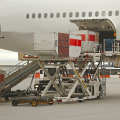
International air freight relocations are often associated with speed, efficiency, and global connectivity. Whether individuals are moving abroad for career opportunities or businesses are expanding operations into new markets, air freight services provide one of the fastest methods for transporting goods across international borders. While much attention is typically given to customs procedures, shipping schedules, and transportation logistics, there is another important factor that often remains overlooked: storage. Self-storage facilities frequently play a crucial supporting role in international relocation projects, helping individuals and organizations manage timing gaps, inventory transitions, and space limitations throughout the moving process.
Relocating internationally rarely follows a perfectly synchronized schedule. Flights, shipping timelines, housing availability, office readiness, customs clearance processes, and local transportation arrangements often operate independently of one another. As a result, belongings and equipment may not always move directly from one destination to another without interruptions. These transitional periods create situations where secure storage becomes an essential component of a successful relocation strategy.
Bridging the Gap Between Departure and Arrival
One of the most common challenges in international air freight relocations is the mismatch between departure dates and final destination readiness. A family moving overseas may need to vacate their current residence before their new home is available. Similarly, a business relocating equipment internationally may encounter delays in office construction, lease approvals, or facility preparation.
Self-storage solutions help bridge these timing gaps by providing a secure place to store belongings until transportation schedules align with relocation requirements. Rather than rushing to coordinate every detail according to a single timeline, individuals and businesses gain flexibility by storing items temporarily before shipment or after arrival.
This added flexibility reduces stress and allows relocation plans to adapt more effectively to unexpected changes. Delays that might otherwise create significant logistical problems become more manageable when secure storage options are available as part of the overall moving strategy.
Supporting Inventory and Asset Management
International air freight is often used to transport high-value items, business equipment, inventory, electronics, documents, and personal belongings. Managing these assets efficiently before and after shipment requires careful planning. Self-storage facilities offer a practical solution for organizing, categorizing, and protecting items during the relocation process.
Businesses expanding internationally may need to stage inventory before shipping it to overseas markets. Equipment may arrive in phases, requiring temporary storage until installation schedules are finalized. Likewise, families relocating abroad may choose to store certain possessions while determining what should be shipped immediately and what can remain behind temporarily.
Having access to organized storage space simplifies inventory management and helps prevent misplaced or damaged items. It also provides greater visibility into relocation assets, making it easier to coordinate transportation and delivery schedules.
Reducing Pressure During Large-Scale Moves
International relocations often involve significant logistical pressure. Managing shipping documentation, customs compliance, transportation schedules, housing arrangements, and operational continuity can quickly become overwhelming. Self-storage helps reduce this burden by creating a buffer that allows relocation plans to proceed in stages rather than all at once.
Facilities such as Muncie Yorktown Self Storage (https://muncieyorktownstorage.com/locations/nebo) can serve as valuable resources during transitional periods, offering a secure environment for belongings, equipment, and inventory while relocation plans continue to unfold. This flexibility allows both individuals and organizations to make more deliberate decisions without feeling rushed by transportation deadlines.
An Often Overlooked Part of Relocation Success
When people think about international air freight relocations, they often focus exclusively on transportation. However, successful relocations depend on much more than simply moving items from one country to another. Timing, organization, accessibility, and flexibility all contribute to a smooth transition. Self-storage facilities support these objectives by providing temporary space that helps manage uncertainty and coordinate complex logistics.
By integrating storage solutions into international relocation plans, individuals and businesses can improve organization, reduce stress, and maintain greater control throughout the moving process. While storage may not receive the same attention as air freight itself, it often plays a hidden yet essential role in ensuring that international relocations proceed as efficiently and successfully as possible.