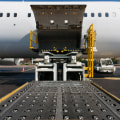
Air freight plays a vital role in moving time-sensitive goods, medical supplies, manufacturing components, and high-value products across regional and international markets. Because air cargo operates on strict schedules, even minor delays at cargo terminals, airport warehouses, or nearby construction sites can affect the timely movement of shipments. Many airport facilities regularly undergo renovations, infrastructure upgrades, warehouse expansions, or maintenance projects to keep pace with growing demand. These activities inevitably generate construction debris, packaging materials, scrap metal, concrete, wood, drywall, and other waste that must be managed carefully. Without an organized waste disposal strategy, debris can occupy valuable workspace, limit access to loading zones, and interfere with equipment used to transfer cargo. Integrating waste planning into project management helps maintain efficient operations while reducing unnecessary disruptions around active air freight facilities.
Maintaining Clear Access Around Cargo Facilities
Air cargo terminals depend on uninterrupted movement between warehouses, loading docks, aircraft staging areas, and transportation vehicles. Forklifts, cargo loaders, pallet movers, and delivery trucks require open pathways to transport freight safely and efficiently throughout the facility. Construction materials or accumulated debris left in operational areas can slow vehicle movement, reduce maneuvering space, and create avoidable bottlenecks during busy shipping periods. Establishing designated waste collection points and positioning disposal containers away from primary traffic routes allows workers to remove debris without interrupting cargo handling activities. Well-planned waste management helps preserve valuable operational space while supporting continuous workflow from receiving shipments through final aircraft loading.
Coordinating Waste Removal With Project Schedules
Airport construction projects often involve multiple contractors working simultaneously within areas that remain partially operational. Whether crews are upgrading terminals, expanding cargo warehouses, repairing pavements, or installing new infrastructure, every phase generates different types of waste requiring timely removal. Planning waste disposal alongside construction schedules helps prevent overflowing containers, unnecessary hauling delays, and worksite congestion. Reliable providers such as JBE Rolloffs can support these projects by supplying appropriately sized rolloff dumpsters and coordinating pickup schedules that align with project milestones. This proactive approach enables contractors to maintain organized worksites while minimizing interference with nearby freight operations, ensuring that both construction activities and cargo movement continue progressing efficiently.
Enhancing Safety and Productivity
A clean, organized job site benefits everyone working within or around an air freight facility. Loose debris, discarded materials, and cluttered staging areas increase the likelihood of slips, trips, equipment damage, and operational delays. Workers handling cargo can perform their responsibilities more efficiently when loading zones remain clear and accessible, while construction crews spend less time managing waste and more time completing essential tasks. Organized disposal practices also improve communication between contractors, airport personnel, logistics providers, and facility managers by establishing consistent procedures for waste collection and removal. Reducing clutter allows maintenance equipment, emergency vehicles, and freight handling machinery to move freely throughout the site, supporting safer daily operations while minimizing unnecessary downtime.
Building More Reliable Air Freight Facilities
As global shipping demands continue to increase, airports and cargo operators must optimize every aspect of their facilities to maintain dependable service. Although advanced logistics systems, scheduling software, and specialized handling equipment are essential components of air freight operations, effective waste planning also contributes significantly to overall efficiency. Keeping construction debris contained, scheduling regular waste removal, and ensuring disposal containers are strategically placed all help preserve operational flow while reducing the potential for delays. Organized worksites create better working conditions, improve equipment accessibility, and support smoother coordination among multiple teams operating within the same environment. By incorporating comprehensive waste management into infrastructure projects and routine facility maintenance, air freight operators can maintain cleaner, safer, and more productive cargo terminals. Thoughtful job site waste planning ultimately strengthens the reliability of air freight operations by reducing obstacles, supporting efficient construction activities, and helping valuable shipments move through the supply chain with fewer interruptions.