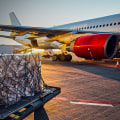
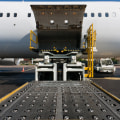
Air freight is often chosen when goods need to travel long distances quickly, but speed does not eliminate the need for careful preparation. Items may pass through warehouses, cargo terminals, loading areas, aircraft holds, and ground transportation before reaching their final destination. Each stage creates opportunities for packages to be moved, stacked, inspected, or temporarily stored. Proper preparation begins with identifying the type, weight, dimensions, fragility, and value of the shipment. Businesses and individuals should select packaging materials that can withstand repeated handling while protecting the contents from impact, vibration, and environmental changes. Strong cartons, durable containers, internal cushioning, and reinforced edges can reduce the likelihood of damage during transit.
Using Appropriate Packaging and Labels
Packaging should match the characteristics of the goods being transported. Fragile items may require foam inserts, bubble protection, or specially designed crates, while heavier merchandise may need reinforced boxes or pallets. Containers should be sealed securely so that contents cannot shift or fall out during handling. Clear labels are equally important because they provide information about destinations, handling requirements, and package identification. When necessary, labels such as “fragile” or orientation indicators can help cargo handlers understand how an item should be positioned. However, businesses should avoid displaying unnecessary information about high-value contents. Tracking numbers and inventory codes can provide identification without drawing attention to valuable goods.
Organizing Goods Before Airport Transfer
Items should remain organized while waiting to be transferred to an airport or cargo terminal. Keeping shipments in a controlled location can help prevent loss, mix-ups, or exposure to unsuitable conditions. For larger shipments, businesses may need temporary space where boxes and pallets can be grouped according to destination or departure schedule. When researching available options for holding goods before transportation, customers may visit the website of a facility to review access rules, security features, available space, and other relevant details. Creating a written or digital inventory during this stage can also make it easier to confirm that every item is accounted for before transportation begins.
Maintaining Security During Transit
Once goods enter the air freight system, accurate documentation becomes an important part of shipment security. Air waybills, tracking information, customs documents, and cargo records help establish where items are going and who is responsible for them at different stages. Businesses should work with established freight carriers and logistics providers that use clear procedures for receiving and transferring cargo. Tracking systems can provide updates about shipment progress and help identify delays. For high-value or sensitive goods, additional measures such as tamper-evident seals, specialized containers, or cargo insurance may provide greater protection.
Handling Items Carefully After Arrival
Security remains important after the aircraft reaches its destination. Freight may spend time in a cargo terminal while customs clearance, documentation, or pickup arrangements are completed. Businesses should coordinate receiving schedules so shipments do not remain unattended longer than necessary. When goods are collected, packaging should be inspected for visible damage, tampering, moisture, or broken seals. Any concerns should be documented immediately with photographs and written notes before items are moved or unpacked.
Creating a Reliable Storage and Retrieval Process
Not every shipment moves directly from the airport to its final location. Some goods may need to remain temporarily in a warehouse or other secure space before distribution. Maintaining labels, inventory records, and organized placement can help prevent items from becoming misplaced during this period. Frequently needed goods should remain accessible, while longer-term items can be positioned farther inside.
Protecting Goods From Start to Finish
Successful air freight transportation depends on security before, during, and after the flight. Proper packaging, accurate labeling, organized inventory, reliable transportation partners, and careful inspection all contribute to protecting goods throughout the process. By planning for each stage rather than focusing only on the flight itself, businesses and individuals can reduce risks and maintain better control over their shipments from initial preparation through final delivery.