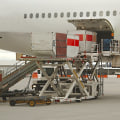
Airport-to-destination delivery depends heavily on timing because airports operate on strict schedules and often experience changing traffic conditions. Whether the delivery involves luggage, equipment, documents, supplies, or other items, transportation providers need to coordinate pickup times carefully. Flight delays, baggage processing, security procedures, and loading restrictions can all affect when cargo is actually ready to leave the airport. Building flexibility into the schedule helps transportation teams respond to these variables without creating unnecessary delays. Accurate communication between airport personnel, drivers, and the receiving destination can also help ensure that pickups happen as efficiently as possible.
Selecting the Right Vehicle
Choosing an appropriate vehicle is an important part of airport delivery planning. Small packages may require only a standard vehicle, while larger quantities of luggage, commercial equipment, or oversized items may need vans, trucks, or other specialized transportation. The vehicle should provide enough space while allowing cargo to be loaded and secured properly. Transportation providers such as Utah Luxury Transportation Network may coordinate vehicle selection based on passenger needs, luggage volume, destination, and travel conditions. Matching the vehicle to the specific delivery requirements helps reduce the likelihood of additional trips or unexpected capacity problems.
Planning Efficient Routes
Airports are often located near busy highways and major transportation corridors, which can make route planning especially important. Traffic congestion, construction, accidents, weather, and special events may affect the fastest route to the destination. Professional transportation teams can evaluate alternate routes before departure and adjust when conditions change. Efficient route selection can reduce travel time and help deliveries remain closer to schedule. For time-sensitive items, even a small improvement in routing can make a significant difference.
Managing Loading and Airport Access
Airport pickup areas usually have specific rules regarding parking, loading, and vehicle access. Drivers may have limited time to remain in certain zones, while commercial vehicles may need to use designated areas. Understanding these requirements beforehand helps prevent delays caused by entering the wrong terminal or waiting in restricted locations. Drivers should also know where cargo will be released and whether identification, documentation, or special authorization is required before pickup. Proper preparation makes the handoff from the airport to the transportation provider much smoother.
Protecting Items During Transportation
Airport deliveries can include fragile, valuable, or time-sensitive items that require careful handling. Luggage and packages should be secured so they do not shift during travel, while delicate equipment may need additional protection. Drivers should be informed of any special handling instructions before leaving the airport. Reducing unnecessary transfers between vehicles can also lower the chance of loss or damage. Direct transportation from the airport to the final destination may be particularly useful when reliability and security are priorities.
Maintaining Clear Communication
Communication is essential throughout the delivery process. Drivers may need updates regarding flight arrival times, terminal changes, cargo availability, or destination instructions. Customers may also want confirmation when items have been collected and when delivery is expected. Providing timely updates allows everyone involved to make adjustments when necessary. This is especially helpful when the receiving location has limited operating hours or requires someone to be present for the delivery.
Supporting Reliable Final Delivery
The final stage of airport-to-destination delivery requires the same level of planning as the initial pickup. Drivers should confirm the exact destination, unloading requirements, parking access, and any delivery instructions before arrival. Hotels, businesses, residences, and event venues may each have different procedures for receiving items. By coordinating pickup times, selecting suitable vehicles, planning routes, managing airport access, protecting cargo, and maintaining communication, transportation providers can make airport deliveries more efficient and dependable. Strong logistics help ensure that items move smoothly from the airport to their final destination with fewer delays and complications.