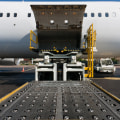
Air freight moving can be an effective option when belongings, equipment, or important materials need to travel a long distance within a relatively short timeframe. Instead of being transported entirely by truck, rail, or sea, selected items are packed and prepared for shipment by air to an airport near the destination. From there, additional ground transportation is usually required to complete the delivery. This method can be useful for individuals, businesses, and corporate relocation teams that prioritize speed, but it also requires careful planning because air freight has different cost structures, packaging standards, and logistical requirements compared with traditional long-distance moving.
Considering Speed Versus Cost
One of the biggest advantages of air freight is speed. Shipments that might take days or weeks by ground or sea can often reach their destination much faster by air. However, this convenience usually comes at a higher price. Air freight charges may depend on the weight, dimensions, destination, handling requirements, and urgency of the shipment. Before choosing this method, customers should compare the value of faster delivery against the total cost. Air freight is often most practical for high-priority belongings, essential business equipment, documents, or smaller shipments rather than an entire household of heavy furniture.
Planning Ground Transportation at Both Ends
Air freight does not usually provide complete door-to-door transportation on its own. Items must first reach the departure airport and then be transported from the arrival airport to the final destination. Coordinating these stages is an important part of the moving process. At the same time, travelers may need transportation between airports, hotels, offices, temporary accommodations, and their new residence. A provider such as Corporate Transportation Services can fit into the broader relocation plan by helping passengers manage their own ground transportation while freight companies handle cargo separately.
Understanding Packaging Requirements
Air freight shipments often require careful packaging because items may be handled several times during loading, unloading, security screening, and transfer. Durable boxes, crates, protective padding, and appropriate labeling can help reduce the risk of damage. Fragile electronics, artwork, business equipment, and valuable belongings may need customized packaging. Customers should ask their freight provider about size limits, weight restrictions, prohibited items, and any special requirements before packing. Preparing shipments correctly from the beginning can help prevent delays or additional charges at the airport.
Reviewing Restrictions and Documentation
Air cargo is subject to security and safety regulations that may limit what can be transported. Certain chemicals, batteries, flammable materials, aerosols, and other hazardous goods may be restricted or require special documentation. International air freight can involve additional paperwork, including customs declarations, invoices, inventories, and identification documents. Anyone planning an international move should understand these requirements early so that shipments do not become delayed during customs processing. Working with an experienced freight provider can help clarify which documents are necessary.
Protecting Valuable Shipments
Insurance is another important consideration when using air freight for long-distance moving. Even with careful handling, shipments can occasionally be delayed, damaged, or misplaced. Customers should review what coverage is automatically included and whether additional insurance is appropriate for high-value belongings. Creating a detailed inventory, taking photographs, and keeping receipts for valuable items can also make it easier to document the condition and value of the shipment before departure.
Coordinating the Entire Moving Timeline
Choosing air freight successfully requires more than simply booking a flight for belongings. Travelers should coordinate packing dates, airport delivery, shipment arrival, customs clearance if necessary, final-mile delivery, and their own transportation. It is also wise to allow some flexibility because flight schedules, weather, and cargo handling can occasionally affect arrival times. When every stage is planned together, air freight can provide a fast and practical solution for selected long-distance shipments. Understanding the costs, restrictions, packaging needs, insurance options, and ground transportation requirements beforehand helps individuals and businesses decide whether this moving method is the right fit for their relocation.